What to wear on a Denali flight
Inside the plane you sit in a closed cabin, so the clothing question is mostly about the glacier landing. Step out onto the snow high in the Alaska Range and it can feel like a different season from the one you left in Talkeetna. Dress in layers you can open in the cabin and close up again on the ice.
Dress for the landing, not the cabin
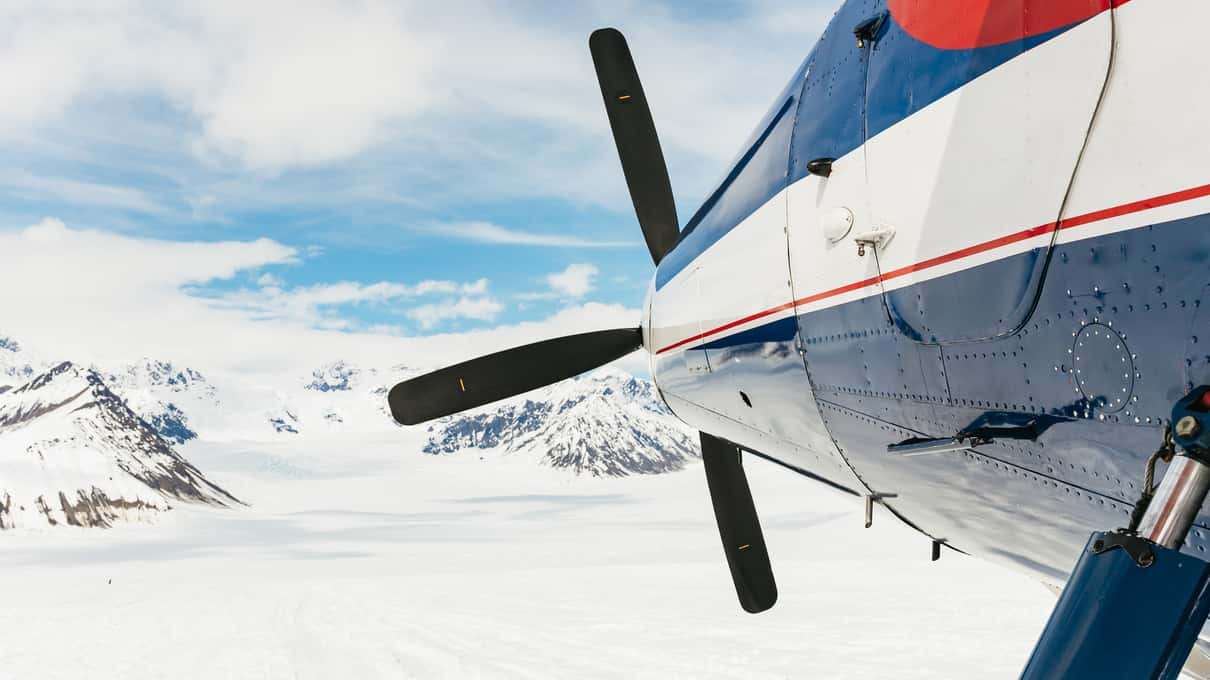
Every flight on this site leaves from the Talkeetna State Airport and lasts between one and two hours. For most of that time you sit in an enclosed cabin with a headset on, and what you wear hardly matters. The landing changes things. On a glacier landing you spend about 20–30 minutes outside on the snow, and in places it comes up to your knees.
Those landing spots sit high in the range, thousands of feet above the town, and the climbers' base camp on the Kahiltna Glacier is at 7,200 ft (2,195 m). Even on a warm summer afternoon in town, the air on the ice can hover near freezing, 32 °F (0 °C), and a breeze off the peaks makes it feel colder. Add the glare from fresh snow under a clear sky and you get a mix of strong sun and chill that catches people out. Our glacier landing guide explains what happens during the stop.
What the operators suggest by season
Talkeetna Air Taxi (TAT) ties its clothing advice to the calendar, and it matches what we would pack ourselves.
| Season | TAT departures | What to bring |
|---|---|---|
| May to mid-September | 8:30 am, 11 am, 1:30 pm and 4 pm, plus 6:30 pm from June 2 to September 7 | A light or medium jacket, with a warm layer for the landing |
| September 16–30 | 10 am, 12:45 pm and 4 pm | A heavy jacket, with a hat and gloves in the pockets |
| October 1 to April 30 | One flight at noon, 2-passenger minimum | Heavy jacket, warm hat, insulated boots, gloves |
Summer in the Susitna Valley can be warm enough for a T-shirt at the airport. Carry the jacket anyway, because the plane reaches the mountains about ten minutes after takeoff and the landing comes later still. From mid-September the days shorten fast, and the winter flights run in proper cold. Our month-by-month guide describes what each part of the year looks like from the air.
A layering plan for the glacier
Several thin layers beat one thick coat, because you can unzip them in the cabin and seal them up on the snow.
- A base layer of wool or synthetic fabric rather than cotton, which stays damp once you sweat;
- A fleece or light down jacket that packs small enough to sit on your lap;
- A windproof, water-resistant shell on top, handy too if it drizzles at the airport;
- Long pants instead of shorts. The snow can reach your knees, and over-boots protect your shoes, not your legs;
- A warm hat and thin gloves tucked in a pocket, even in July.
On a flight without a landing, a sweater under a light jacket is enough in summer. Landings depend on the weather and on snow conditions, though, so you may not know until the day whether yours goes ahead. Dress for it either way.
Over-boots on the longest flight
Our pick, TAT's Grand Denali flight from ~$586, offers an optional glacier landing that adds 30 minutes to the trip. Over-boots are provided. Anyone 16 or over also needs the $15 park pass for a TAT landing.
Shoes, sunglasses and gloves
Wear closed-toe shoes with some grip. Both companies hand out over-boots for the landing, and these pull on over your own footwear, so sandals and smooth city shoes are a poor choice. Light hiking shoes or sneakers sit well underneath. In winter, insulated boots are better again.
Sunglasses matter more than most people expect. Fresh snow under a high summer sun throws back a glare that has you squinting within seconds. The K2 flight with glacier landing at ~$544 includes loaner sunglasses, and so does K2's guided tour by air from ~$335. The TAT listings do not mention any, so pack your own pair for the Southside Explorer at ~$351 or the other TAT flights.
Thin gloves that work with a touchscreen let you take photos on the ice without bare fingers. A warmer pair over them helps from September onward.
What to leave in the car
The planes are small, carrying up to 10 passengers, and TAT discourages backpacks and purses on board. There is little room at your feet, and a bag on your lap gets between you and the window. Put the essentials in jacket pockets, ideally ones that zip.
- A phone or camera, plus a spare battery
- Sunglasses and lip balm
- Hat and gloves
- Any medication you might need during the flight
Drones are prohibited on these flights, and TAT does not take pets. A big daypack is better left in your car or at the hotel. TAT picks up from hotels within 2 miles of downtown Talkeetna, so many visitors arrive with nothing to stow.
Keeping cameras and phones alive
Cold drains batteries quickly, and a phone that showed 40 percent in the cabin can switch itself off after ten minutes on the snow. Keep it in an inside pocket until the plane stops, and carry a charged spare for a camera. Dark clothing earns its place in the air as well, since it throws far less reflection into the window when you shoot through it. Our photography guide covers settings and how to beat those reflections.
Clothing on a cruisetour or road trip
Cruise passengers usually pack for a windy ship deck, which turns out to be good preparation. A fleece plus the rain jacket you brought for the ship covers a summer landing, as long as you add a hat and gloves. On a transfer day between lodges, keep that layer in your day bag rather than in a suitcase. Our cruise guide explains how a flight fits into a cruisetour schedule.
Weather can also keep you on the ground for a while. TAT's log building at the airport has a deck where you can wait, and a few hours of Talkeetna drizzle pass more easily in a waterproof jacket. How the weather calls work is in its own guide. If the small plane worries you more than the cold, read our guide for nervous flyers before you go. To price the trip with or without a landing, the Mountain Voyager at ~$469 sits between the short and long TAT flights.